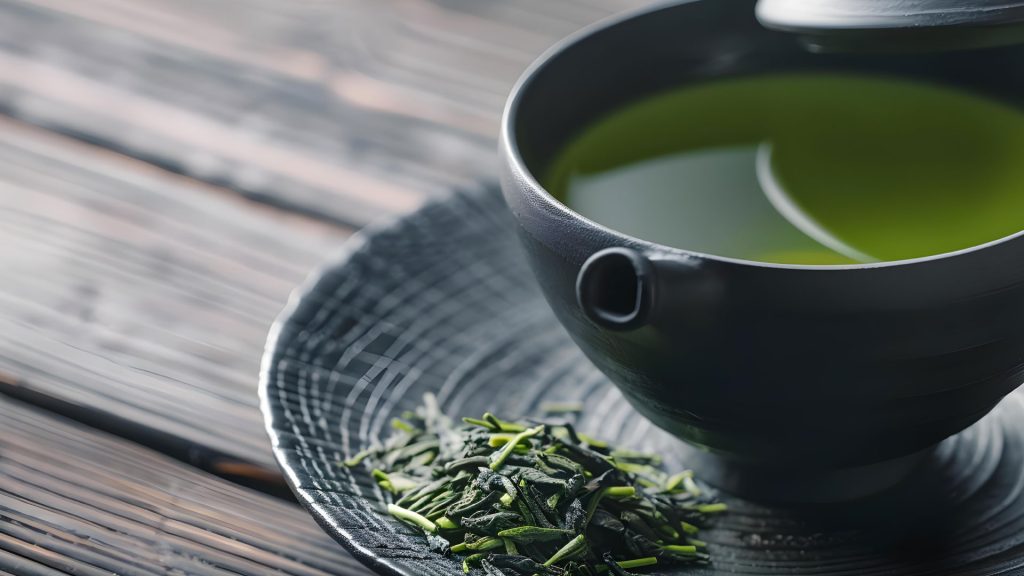
「緑色のお茶=緑茶」だと思っていませんか?
実はそれ、意外と多い勘違いです。
お茶の世界では、見た目が緑だからといって、必ずしも緑茶とは限りません。
分類の基準になるのは色ではなく、発酵の有無や茶葉の育て方、そして加工方法。
「緑茶」や「煎茶」という言葉はよく耳にしますが、その違いをきちんと説明できる人は案外少ないもの。
知ればすっと腑に落ちる、お茶の基本。まずはここから整理してみましょう。
なんとなく飲んでいる、いつもの緑茶。
その一杯には、実はたくさんの味わいが重なっています。
ほっとする甘味、舌に残るうま味。
そこに少しの渋みや苦味が加わることで、緑茶ならではの奥深いおいしさが生まれます。
知っているようで、実は知らない緑茶の世界。
味わいのこと、種類のことを、少しだけのぞいてみませんか。
緑茶とか煎茶とか、種類は色々あるけど何が違うの?
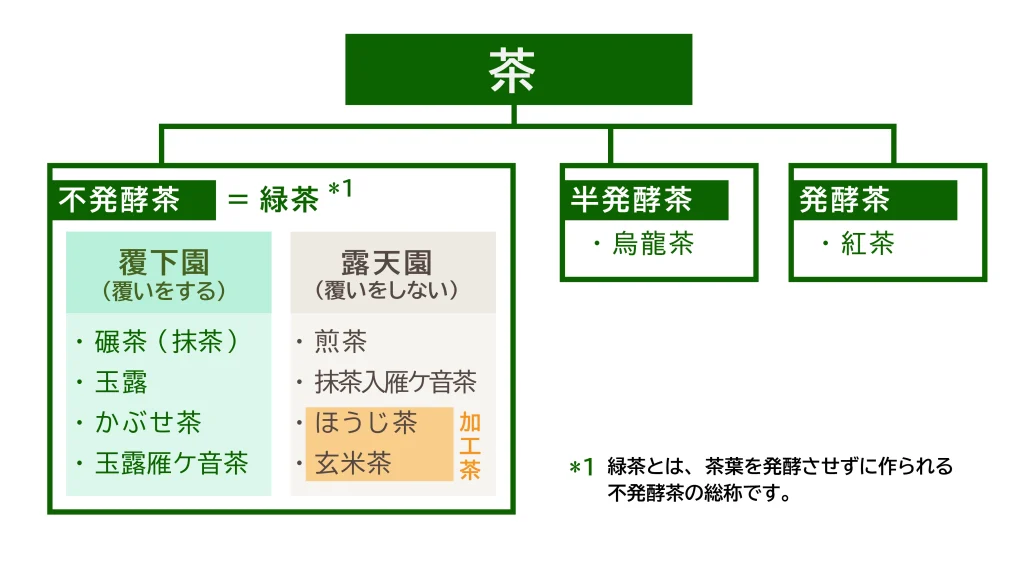
「緑茶」や「煎茶」という言葉、よく聞くけれど違いが分かりにくいですよね。実はこの違いは、茶葉のつくり方(発酵の有無)や育て方によって決まります。
まず、「茶」は大きく不発酵茶・半発酵茶・発酵茶の3つに分けられます。
このうち、茶葉を発酵させずにつくるお茶の総称が「緑茶」です。つまり、煎茶や玉露、抹茶などは、すべて緑茶の仲間になります。
緑茶の中でも違いを分けるポイントのひとつが、
**茶畑を覆うかどうか(覆下園・露天園)**という茶樹の育て方です。
日光を遮って育てる「覆下園」のお茶は、うま味が強く、まろやかな味わいに。玉露や抹茶、かぶせ茶などがこれにあたります。
一方、太陽の光をたっぷり浴びて育つ「露天園」のお茶は、すっきりとした渋みや香りが特徴です。一般的に「煎茶」と呼ばれるものは、この露天園の緑茶です。また、同じ緑茶でも、加工によって名前や味わいが変わるお茶もあります。
- 焙煎したものが「ほうじ茶」
- 玄米を加えたものが「玄米茶」
つまり、「緑茶」は大きな分類名、「煎茶」はその中の一種類。
育て方や加工の違いを知ると、いつもの一杯が、少し違って感じられるかもしれません。
知っているようで知らない、お茶の種類あれこれ。
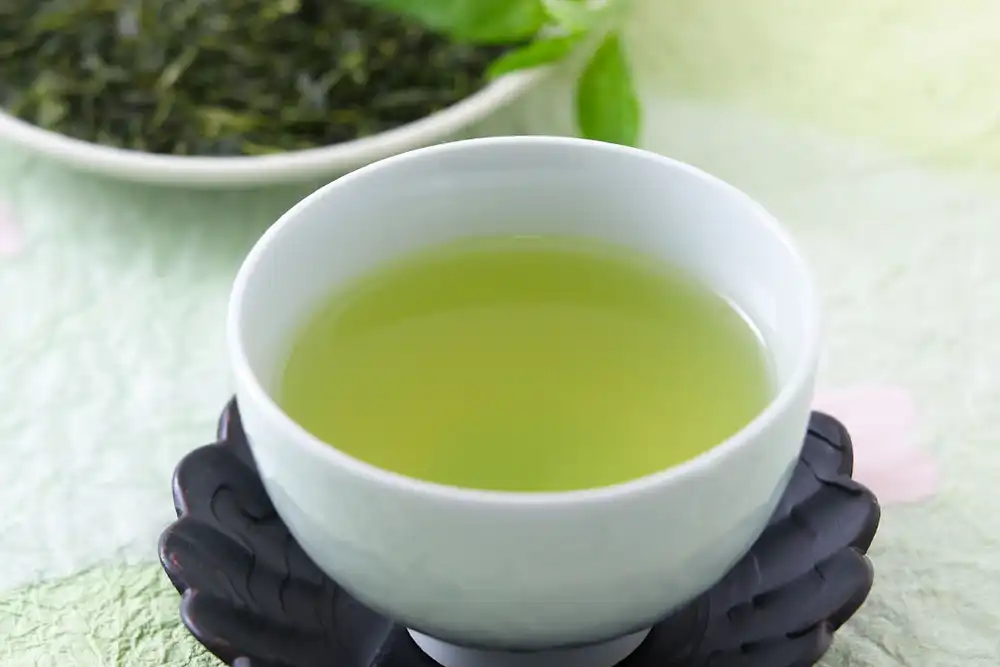
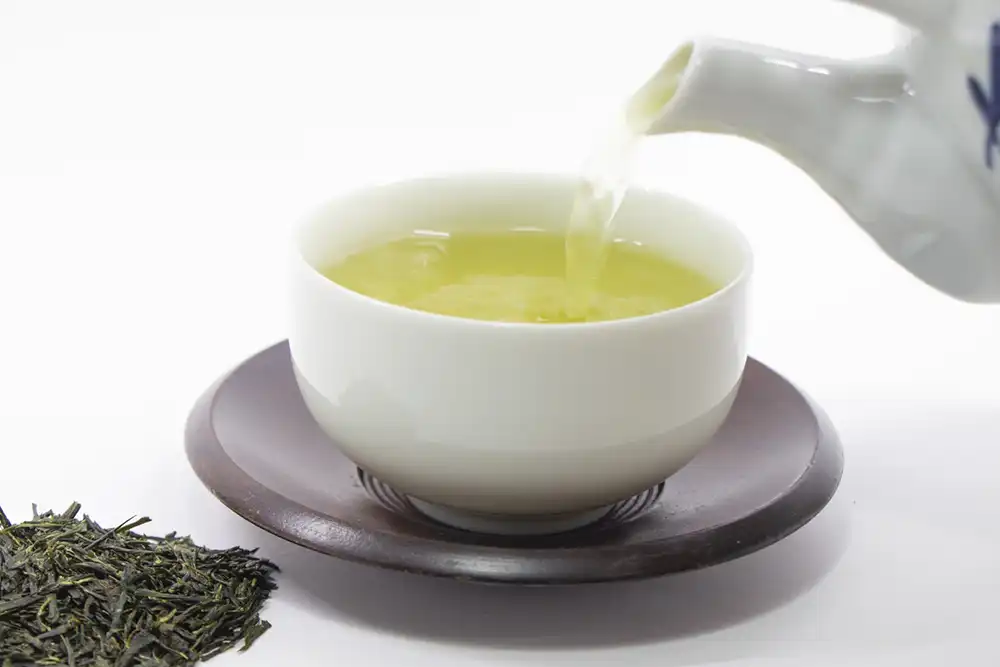
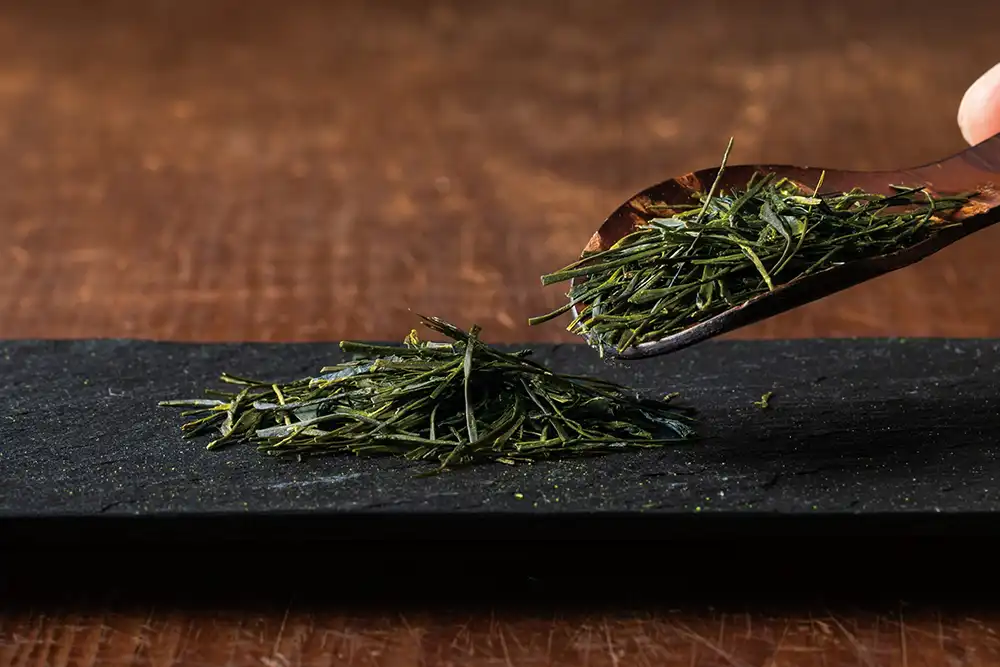
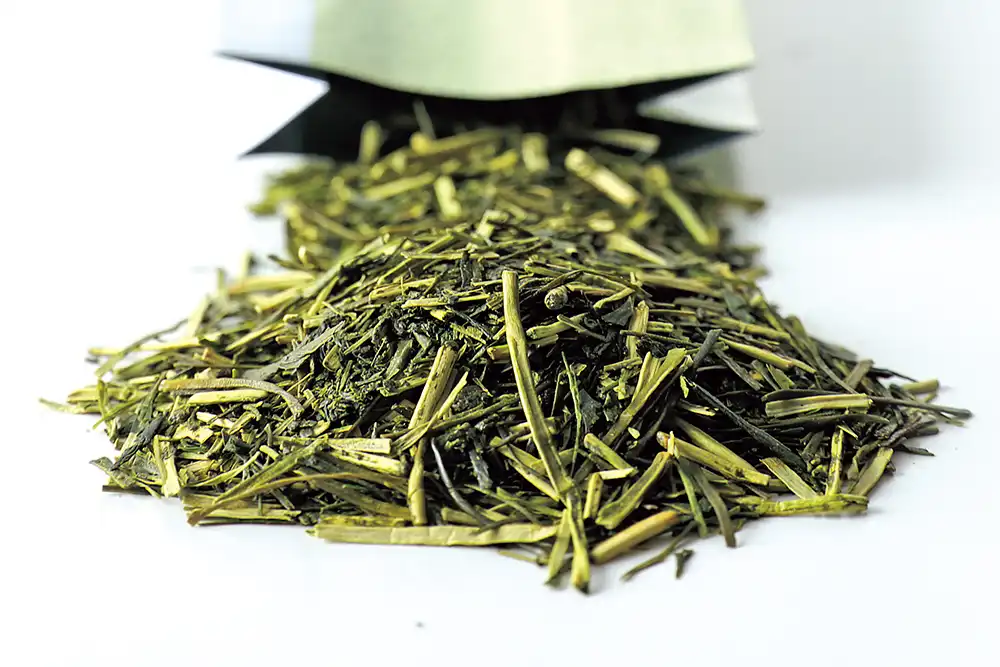
深蒸し煎茶(ふかむしせんちゃ)
蒸し時間を長めにすることで、渋みを抑え、口当たりはぐっとまろやかに。うま味が引き出されやすく、淹れるだけで豊かな味わいを楽しめる煎茶です。
近年、煎茶の主流となっているのはこの「深蒸し煎茶」。
濃く、やさしく、飲みやすい――毎日の一杯に選ばれ続けている理由が、そこにあります。
| 製法 | 茶樹の栽培時に覆いをせず、直射日光を十分受けて育った新芽を摘採します。 その茶葉を蒸し、揉みながら乾燥させて製造します。 |
| 特徴 | さわやかな香りに、ほどよい渋み。目にも美しい明るい緑色の水色。煎茶は、いま私たちが飲んでいる日本茶の中で、最も親しまれているお茶です。 お茶の味わいを語るうえで欠かせない要素のひとつが、この「渋み」。その正体は、茶葉に含まれるカテキン。含有量が多いほど、渋みはよりはっきりと感じられます。 近年、このカテキンの働きにも注目が集まっており、抗酸化作用や抗菌作用、消臭作用に加え、抗がん作用やメラニン抑制作用など、さまざまな機能性が報告されてきました。 おいしさだけでなく、体にもやさしい。そんな背景から、緑茶は今あらためて、多くの人の関心を集めているのです。 |
深蒸し煎茶(ふかむしせんちゃ)とは
深蒸し煎茶は、基本の製法は煎茶と同じ。
ただし、蒸しの工程に通常の煎茶の約2〜3倍もの時間をかけ、茶葉をじっくりと蒸し上げているのが大きな違いです。そのため茶葉は細かくなり、粉状の葉を含みやすくなります。
淹れたお茶は、ひと目でわかるほど鮮やかな緑色の水色に。渋みはやわらぎ、甘味とうま味、そしてコクのあるまろやかな味わいが広がります。
淹れ方やお湯の温度は煎茶と同じでOK。茶葉が開きやすいため、浸出時間が短くて済むのも、深蒸し煎茶ならではの魅力です。濃く、やさしく、飲みやすい。毎日の一杯に選ばれ続ける理由です。
風味を最大限に引き出す、深蒸し製法
うま味・渋み・苦味。この三つの味わいが生き生きと調和した、本当においしい煎茶をつくるために、試行を重ねてたどり着いた製法が「深蒸し」です。
製茶工程の中でも最も重要な「蒸し」の工程において、通常よりも長い時間をかけ、生葉をムラなくじっくりと蒸し上げます。そうすることで、甘味が豊かでコク深く、そこにほどよい渋みと苦味が加わった、奥行きのある風味のお茶が生まれます。
なお、渋みや苦味は、淹れ方によっても表情を変えます。ぬるめのお湯で淹れればやわらかく、熱いお湯で淹れれば、より輪郭のある味わいに。気分や体調に合わせて風味を調整できるのも、緑茶ならではの愉しみです。
浅蒸し煎茶(あさむしせんちゃ)
蒸し時間を短く仕上げることで、茶葉の姿は美しく、香りはより鮮やかに。澄んだ味わいの中に、新芽本来の風味がすっと立ち上がる煎茶です。ひと口含めば、すっきりとした飲み口の奥から、上品なうま味がじんわりと広がります。
このうま味をより深く楽しむなら、ぬるめのお湯で、時間をかけてじっくりと。茶葉の個性と向き合いながら味わう――
そんな“通好み”の一杯といえるでしょう。
| 製法 | 茶樹の栽培時に覆いをせず、直射日光を十分受けて育った新芽を摘採します。 摘み取った生葉は、蒸して発酵を止めた後、揉み工程を重ねながら乾燥させ、日本茶本来の風味を引き出す製法で仕上げています。 |
| 特徴 | 「蒸し」時間を短くすることで、茶葉本来の初々しい香りを引き出した煎茶。苦味と渋みはやや強めながら、後味はすっきりと爽やかな飲み口に仕上がっています。使用するのは、山間地の段々畑に広がる茶園で育った新芽。浅く蒸し、丁寧に揉み、じっくりと乾燥させることで、茶葉の個性をそのまま閉じ込めました。 上級品になるほど、際立つのは豊かなうま味と高い香り。それもまた、浅蒸し煎茶ならではの魅力です。蒸し時間はおよそ30秒前後。淹れたお茶は、やや黄色みを帯びた澄んだ水色となり、目にも軽やかな一杯を楽しめます。 |
玉露(ぎょくろ)
収穫前およそ20日間、茶樹に覆いをかけて日光を遮り、じっくり育てられる高級茶。それが、玉露です。
遮光栽培により渋みの生成が抑えられ、テアニンを豊富に含んだ、まろやかで濃厚なうま味が際立ちます。
低めの温度で、ゆっくりと淹れるのがおすすめ。
玉露ならではの深いコクとやさしい甘みを、存分に味わえます。
大切なおもてなしや、心を整えたいひとときにふさわしい、格別の一杯です。
| 製法 | 一番茶の摘採期を迎える前、茶園に支柱を立て、よしずやむしろ、わらなどで園全体をほぼ完全に覆います。直射日光を遮り、じっくりと育てられた茶樹の新芽だけを、丁寧に摘み取ります。 こうして収穫された生葉は、すぐに蒸して発酵を止め、揉みの工程を重ねながら乾燥させて仕上げられます。時間と手間を惜しまず育て、仕上げることで生まれる、特別な味わいの緑茶です。 |
| 特徴 | 玉露の魅力は、「覆い香」と呼ばれる海苔のような香り。そして、舌にまとわりつくような、まったりと豊かなうま味にあります。水色は、やや青みを帯びた淡い黄色。見た目からも、一般的な煎茶とは一線を画す存在感を放ちます。 この濃厚なうま味の理由は、茶葉に含まれるアミノ酸の多さ。 なかでも、茶特有のアミノ酸であるテアニンは、リラックス効果があることで知られ、その機能性にも注目が集まっています。味わい、香り、そして心まで。玉露は、五感で楽しむ特別な一杯です。 |
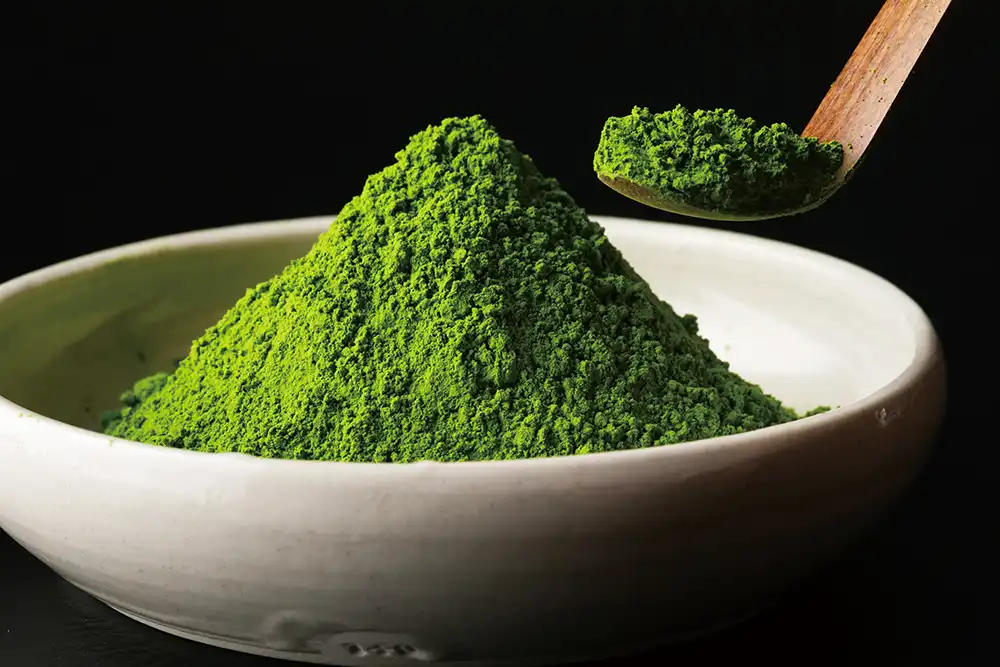
碾茶(抹茶)てんちゃ(まっちゃ)
抹茶は、煎茶のように揉まず、蒸した茶葉をそのまま乾燥させ、石臼で丁寧に挽いて仕上げる高級茶。茶道の世界で古くから親しまれてきました。
茶葉をまるごと味わえるため、栄養を余すことなく取り入れられるのも、抹茶ならではの魅力です。
| 製法 | 一番茶の摘採前、茶園をよしずやむしろで覆い、日光を遮って育てた新芽を摘み取ります。蒸して揉まずに乾燥させたものが「てん茶」。そのてん茶を石臼で丁寧に挽き上げたものが、「抹茶」です。 |
| 特徴 | 抹茶は、茶筌で点てて泡立てて楽しむお茶。上質なものほど泡立ちがよく、まろやかで雑味のない味わいが特長です。 粉末状のため、ほかの茶種に比べて品質の劣化が早いのも抹茶ならでは。開封後は、できるだけ早めに味わうのがおすすめです。 |
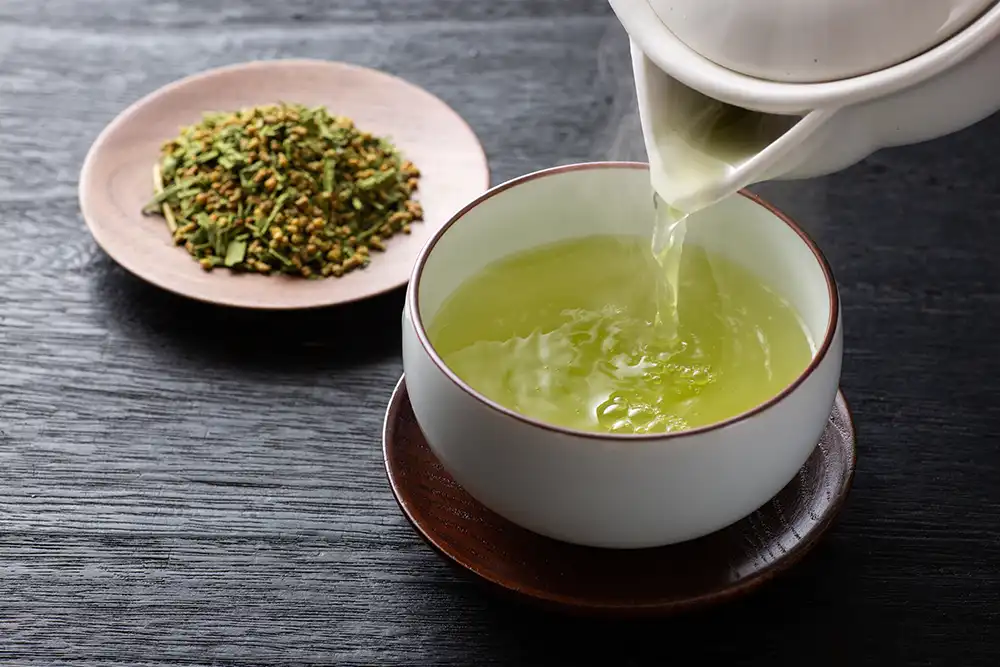
玄米茶(げんまいちゃ)
炒った玄米を煎茶にブレンドし、香ばしさを引き立てたお茶。立ちのぼる香りが心地よく、ひと口でほっとする味わいです。
脂っこい食事のあとにもよく合い、後味はすっきり。毎日の食卓に寄り添う、飲みやすい一杯です。
| 製法 | 玄米茶は、番茶や煎茶、茎茶などの緑茶に、焙煎した玄米を加えて仕上げるお茶。この組み合わせによって、香ばしくやさしい香りが引き立ちます。毎日の食事にもなじむ、親しみやすい一杯です。 |
| 特徴 | 玄米茶は、煎茶に比べて渋みが穏やかで、水色は、やさしい印象の薄い黄色です。 緑茶のうま味に、玄米の自然な甘味、焙煎米の香ばしい香りが重なり、ほっとする味わいが広がります。 緑茶の有効成分に加え、焙煎米由来のミネラルや糖分も摂れるのが魅力です。 健康を意識する方にも選ばれている、ヘルシーなお茶です。 |
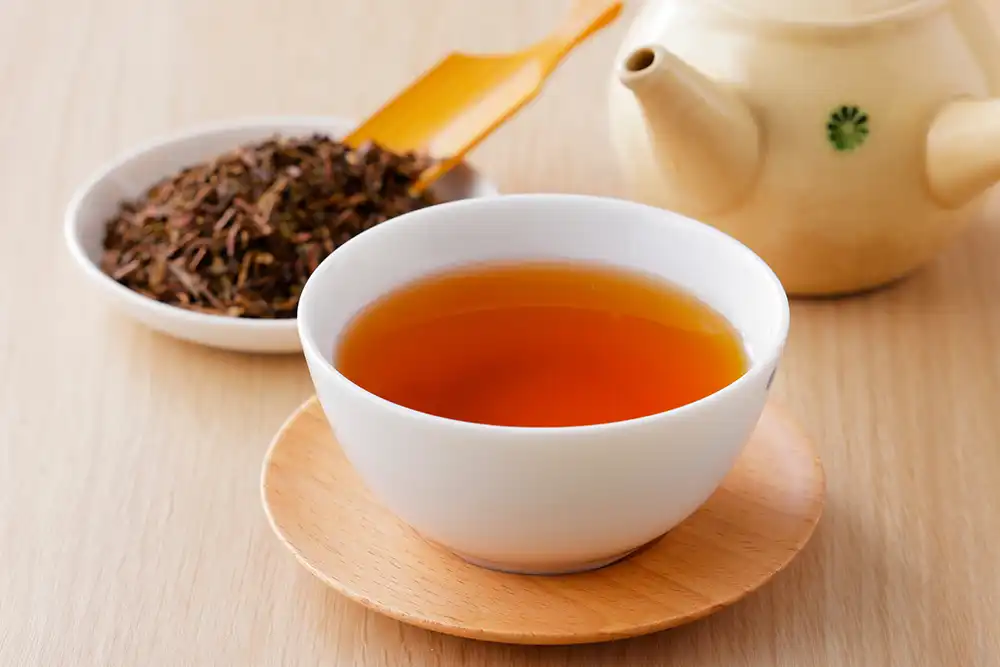
ほうじ茶(ほうじちゃ)
煎茶を高温で炒り上げて仕上げた、香ばしくさわやかな味わいのお茶。口当たりがやさしく、食後の一杯にもよく合います。
暑い季節には、冷やしてもおいしく。
すっきりと楽しめる、日常使いにうれしいお茶です。
| 製法 | ほうじ茶は、番茶や煎茶、茎茶などの緑茶を、160〜180℃の高温で焙煎して仕上げるお茶。 強火で短時間炒ることで、香ばしい香りとすっきりとした味わいが引き立ちます。毎日の食事にも寄り添う、飲みやすい一杯です。 |
| 特徴 | ほうじ茶の魅力は、「ほうじ香」と呼ばれる香ばしい香り。茶葉や水色は茶褐色で、見た目からもやさしい印象です。刺激となるカフェインが少ないため、お子さまや高齢の方、体調がすぐれないときにも安心。 香り成分のピラジン類にはリラックス効果があり、心を落ち着けたいときや、ひと息つきたい休憩時間にもぴったりです。 |
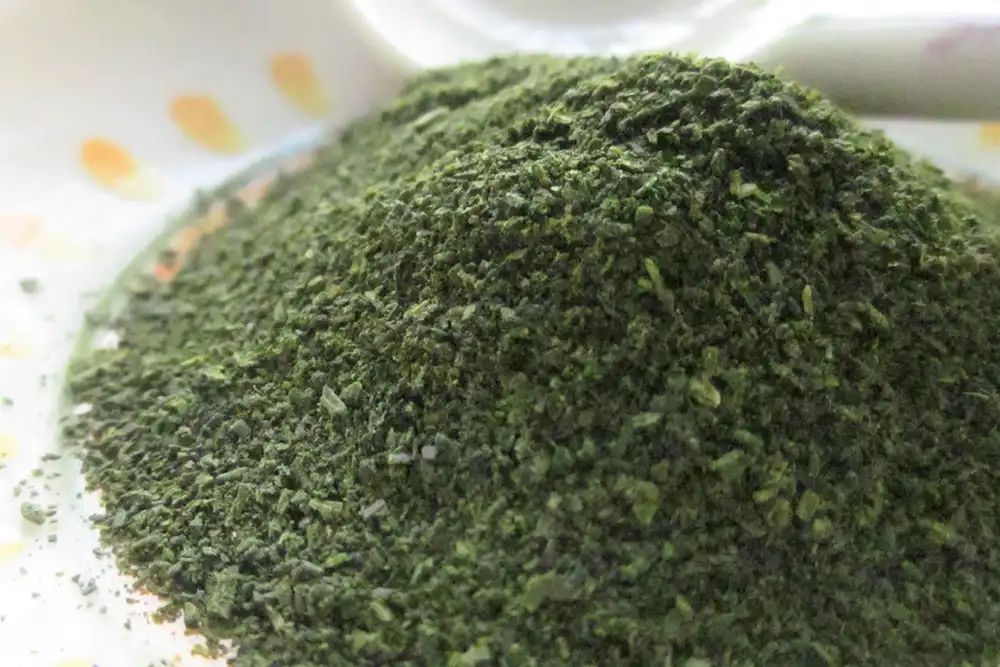
粉茶(こなちゃ)
粉茶は、煎茶を仕上げる工程で選別される細かな茶葉を集めたお茶。お寿司屋さんで出される「あがり」としても知られています。
濃厚な味わいを、手軽に、比較的リーズナブルに楽しめるのが魅力。茶葉が細かいため、飲むだけでなく、料理やお菓子づくりにも活躍します。
| 製法 | 粉茶は、煎茶の製造過程で茶葉をふるいにかけた際に出る、細かな茶葉を集めたお茶。 色が鮮やかで粒が均一なものほど、良質とされています。 |
| 特徴 | 粉茶は、棒茶と同じく茶葉の「出物」にあたるお茶。製造の過程で擦れたり砕けたりした茶葉ですが、一番若くやわらかい芯が混ざることもあり、思いのほかおいしく楽しめます。お湯を注ぐだけですぐに浸出できるため、ティーバッグや給茶器にも重宝されています。 |
棒茶(ぼうちゃ)
棒茶は、新芽の葉軸や茎の部分だけを使ったお茶で、「茎茶」とも呼ばれます。なかでも、玉露の棒茶は「雁ヶ音(かりがね)」と呼ばれ、すっきりとした香りと、さわやかな味わいが魅力です。軽やかで飲みやすい、通好みの一杯です。
| 製法 | 棒茶は、煎茶や玉露の仕上げ工程で選別される、茶の茎部分を集めたお茶。加工中に生まれる「出物」の一種で、葉のお茶に比べて軽やかで、さっぱりとした味わいが楽しめます。 |
| 特徴 | 棒茶はテアニンを多く含み、渋みが少なく、まろやかで香り高い味わいが特徴。 茎だけを完全に選別することは難しく、煎茶や玉露の一番若くやわらかい芽(芯)が混ざることも少なくありません。この芯の存在こそが、棒茶のうま味を左右します。 別名「茎茶」とも呼ばれ、なかでも玉露の棒茶は「雁ヶ音(かりがね)」として親しまれています。 |
いかがでしたか?
緑茶のおいしさの主役は「うま味」。奥深く、コクのある甘味として感じられるこのうま味は、お茶ならではの魅力です。そこに、ほどよい渋みと苦味が重なることで、味わいは調和し、いっそう引き立ちます。
さらに緑茶は、毎日の一杯で、健康や美容にもやさしく寄り添ってくれる存在。
おいしく飲みながら、体と心を整える――そんな時間を、ぜひ日常に取り入れてみてください。
\ ありがとうございました /
∈(゚∈∋゚)∋
また見てね
このブログを英文で読みたい方はこちら
Read in English
↓↓↓↓
More Than Just Green Tea! Enjoy Exploring Different Types of Tea — Which Is Your Favorite?
Have you ever thought that “green tea is just green tea”? Surprisingly, that common assumption isn’t always true. In the world of tea, the classification isn’t determined by color alone — it’s based on how the tea is processed, whether it’s fermented, and how the tea leaves are cultivated.
You’ve probably heard terms like “green tea” or “sencha,” but many people can’t clearly explain the difference between them. Once you understand the basics, it all clicks into place. That familiar daily cup of tea is made up of many layers of flavor — a comforting sweetness, pleasant umami, and just a hint of bitterness or astringency. Let’s take a look at the varieties of tea that make up the fascinating world beyond “just green tea.”
What’s the Difference Between “Green Tea” and “Sencha”?
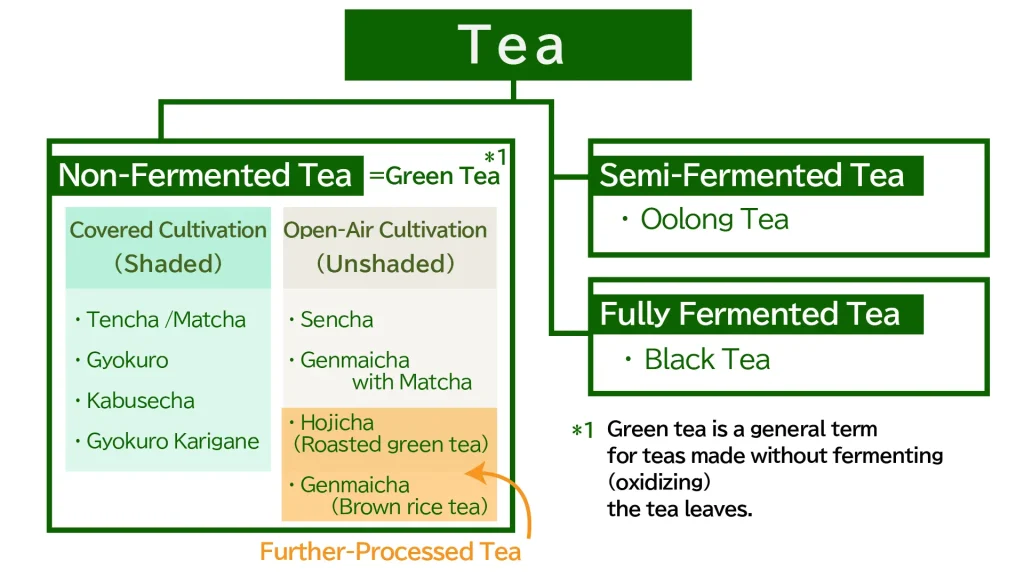
Tea can broadly be divided into three fermentation categories:
- Unfermented tea
- Semi-fermented tea
- Fermented tea
Green tea refers to unfermented tea, which includes varieties like sencha, gyokuro, and matcha. One of the key distinctions among green teas is how the tea plants are grown — whether they are shaded or exposed to sunlight
- Covered cultivation (Shaded): Tea plants are grown under covers that reduce sunlight. This enhances umami and yields gentler flavors. Gyokuro and matcha fall into this category.
- Open-Air Cultivation (Unshaded): Plants grown fully in sunlight produce a brighter, sometimes more astringent flavor. Common sencha is usually sun-grown.
Tea names and flavors also change based on how the leaves are processed, e.g.:
- Roasted to make hojicha
- Combined with roasted brown rice to make genmaicha
Familiar and Lesser-Known Tea Types
Below are some key examples of tea varieties you might encounter:
Deep-Steamed Sencha
(Fukamushi Sencha)
This type of sencha is steamed for 2–3 times longer than usual. The longer steaming breaks down the leaves, resulting in a vibrant green brew with a rich umami flavor and milder bitterness. It’s beloved as an everyday tea.
| Processing method | The tea plants are cultivated without shading, enabling the new shoots to develop under full sunlight.After harvesting, the leaves are steamed and dried through a rolling process to complete the production. |
| Characteristics & Benefits | With its refreshing aroma, pleasantly balanced astringency, and a beautifully bright green liquor, sencha is the most widely enjoyed tea among Japanese green teas today. One of the essential elements in appreciating tea’s flavor is its characteristic astringency. This sensation comes from catechins contained in the tea leaves—the higher the catechin content, the more pronounced the astringency. In recent years, catechins have attracted increasing attention for their functional properties. Studies have reported antioxidant, antibacterial, and deodorizing effects, as well as potential anti-cancer properties and melanin-suppressing activity. Not only delicious but also gentle on the body, green tea is once again drawing widespread interest for both its flavor and its wellness benefits. |
What Is Deep-Steamed Sencha?
Fukamushi Sencha follows the same basic production method as regular sencha.
The key difference lies in the steaming process. The leaves are steamed for approximately two to three times longer than standard sencha, allowing them to be thoroughly softened. As a result, the leaves become finer and are more likely to include small, powdery particles.
When brewed, the tea produces a strikingly vivid green liquor that is instantly recognizable. The astringency is softened, giving way to a harmonious balance of sweetness, umami, and rich depth with a smooth, rounded mouthfeel.
Brewing methods and water temperature are the same as for regular sencha. Because the leaves open more easily, the extraction time is shorter—another distinctive advantage of Fukamushi Sencha.
Rich yet gentle, full-bodied yet easy to drink—this is why it continues to be chosen as a daily cup of tea.
Deep-Steaming Method to Maximize Flavor
Umami, astringency, and bitterness—three essential taste elements brought vividly into harmony.Through repeated trial and refinement, we arrived at the deep-steaming method to create a truly exceptional sencha.
In the tea-making process, the steaming stage is the most critical. By extending the steaming time beyond the usual length and carefully steaming the fresh leaves evenly and thoroughly, we develop a tea with abundant sweetness and rich depth, complemented by a balanced touch of astringency and bitterness. The result is a layered, complex flavor profile with remarkable depth.
The expression of astringency and bitterness also changes depending on how the tea is brewed. When prepared with lower-temperature water, the flavor becomes softer and more rounded. With hotter water, the taste gains greater clarity and definition.
Lightly-Steamed Sencha
(Asamushi Sencha)
With a shorter steaming time, the leaves retain their beautiful shape and a brighter, more vivid aroma. The flavor is clear and refined, allowing the fresh character of the young shoots to shine through.
A clean, crisp first impression gives way to a gentle, elegant umami that lingers on the palate.
For a deeper experience, brew with lower-temperature water and allow it to infuse slowly. A cup crafted for those who appreciate the finer nuances of tea.
| Processing method | The tea plants are cultivated without shading, allowing the young shoots to grow under ample direct sunlight before being carefully harvested. The freshly picked leaves are immediately steamed to halt oxidation, then gradually dried through repeated rolling processes. This traditional method brings out the authentic flavor of Japanese green tea, preserving its natural character and depth. |
| Characteristics & Benefits | By shortening the steaming time, this sencha brings out the tea leaves’ naturally fresh and youthful aroma. While the bitterness and astringency are slightly more pronounced, the finish remains clean, crisp, and refreshing. Only young shoots grown in terraced mountain tea fields are used. Lightly steamed, carefully rolled, and slowly dried, the leaves retain their distinctive character, capturing the essence of the terroir. In higher-grade selections, the defining qualities become an abundant umami and an elevated, refined fragrance—hallmarks unique to lightly steamed sencha. The steaming time is approximately 30 seconds. When brewed, the tea yields a clear liquor with a subtle yellowish hue, offering a visually light and elegant cup to enjoy. |
Gyokuro
This high-grade tea is grown under shade for about 20 days before harvest, which suppresses bitterness and boosts sweetness. Brewed at lower temperatures, it offers a lush, mellow flavor perfect for special moments.
| Processing method | The tea plants are cultivated without shading, allowing the young shoots to grow under ample direct sunlight before being carefully harvested. The freshly picked leaves are immediately steamed to halt oxidation, then gradually dried through repeated rolling processes. This traditional method brings out the authentic flavor of Japanese green tea, preserving its natural character and depth. |
| Characteristics & Benefits | The appeal of gyokuro lies in its distinctive aroma known as “ooika,” often described as reminiscent of seaweed, and in its rich, lingering umami that seems to gently coat the palate. The liquor is a pale yellow with a slight bluish tint, and even in appearance, it clearly stands apart from ordinary sencha. The reason for this deep, concentrated umami is the high level of amino acids contained in the leaves. Among them is theanine, a tea-specific amino acid known for its relaxing effects, which has attracted growing attention for its functional benefits. Flavor, aroma, and even the state of mind—gyokuro is a truly special cup to be savored with all five senses. |
Tencha / Matcha
Matcha is a premium tea made by steaming the leaves without rolling them, drying them as they are, and then carefully grinding them into a fine powder with a traditional stone mill. It has long been cherished in the world of the Japanese tea ceremony.
Because the whole leaf is consumed, matcha allows you to take in its nutrients in their entirety—one of the unique appeals of this distinctive tea.
| Processing method | Before the first harvest, the tea fields are covered with reed screens and straw mats to block sunlight, and the carefully cultivated new shoots are Flush. The leaves are steamed and dried without rolling to produce tencha. That tencha is then carefully ground with a traditional stone mill to create matcha. |
| Characteristics & Benefits | Matcha is a tea prepared by whisking it with a bamboo whisk (chasen) until it becomes frothy. The higher the quality, the better it foams, offering a smooth, mellow taste free from harshness. Because it is in powdered form, matcha is more susceptible to quality deterioration than other types of tea. For the best flavor, it is recommended to enjoy it as soon as possible after opening. |
Genmaicha is made by blending roasted brown rice with green tea such as bancha, sencha, or kukicha (stem tea). This combination enhances its warm, toasty, and gently comforting aroma.
A familiar and approachable tea, it pairs naturally with everyday meals.
| Processing method | Genmaicha is a tea made by blending roasted brown rice with green tea such as bancha, sencha, or kukicha (stem tea). This combination brings out a warm, toasty aroma with a gentle, comforting character. Approachable and easy to enjoy, it pairs naturally with everyday meals. |
| Characteristics & Benefits | Compared to sencha, genmaicha has a milder astringency, and its liquor is a soft, light yellow with a gentle appearance. The umami of green tea blends with the natural sweetness of brown rice and the toasty aroma of roasted grains, creating a soothing and comforting flavor. In addition to the beneficial components of green tea, it also provides minerals and natural sugars derived from the roasted rice. For this reason, it is often chosen by those who are health-conscious, making it a wholesome and nourishing tea. |
This tea is finished by roasting sencha at high temperature, resulting in a toasty yet refreshingly clean flavor. With its gentle mouthfeel, it pairs especially well as an after-meal cup.
It can also be enjoyed chilled during the warmer months.A crisp, easy-drinking tea—perfect for everyday enjoyment.
| Processing method | Hojicha is made by roasting green teas such as bancha, sencha, or kukicha at high temperatures of approximately 160–180°C. Roasted briefly over strong heat, it develops a distinctive toasty aroma and a clean, refreshing taste. Easy to drink and well-suited to accompany everyday meals, it is a comforting cup for daily enjoyment. |
| Characteristics & Benefits | The appeal of hojicha lies in its distinctive toasty aroma, known as “hojika.” The leaves and liquor take on a warm brown color, giving it a gentle and soothing appearance. With its relatively low caffeine content, it can be enjoyed with confidence by children, the elderly, or when you are not feeling at your best. The aromatic compounds formed during roasting, particularly pyrazines, are known for their relaxing effects—making hojicha an ideal choice when you want to calm your mind or take a peaceful break. |
Konacha (Powdered Tea)
Konacha is made from the fine tea particles that are separated during the finishing process of sencha production. It is also widely known as “agari,” the tea commonly served at sushi restaurants.
Its appeal lies in the ability to enjoy a rich, full-bodied flavor easily and at a relatively affordable price.Because the leaves are very fine, konacha is not only suitable for drinking but also works well in cooking and confectionery.
| Processing method | Konacha is made from the fine tea particles collected when tea leaves are sifted during the production process of sencha.Products with a vivid green color and uniformly sized particles are generally regarded as higher quality. |
| Characteristics & Benefits | Like bocha, konacha is considered a byproduct tea derived from the sorting process. It consists of leaves that have been rubbed or broken during manufacturing. However, because the youngest and most tender inner leaf buds can be mixed in, it often delivers a surprisingly satisfying flavor. As it infuses quickly with just a pour of hot water, konacha is especially convenient for tea bags and tea dispensers. |
Bocha (Kukicha)
Bocha is a tea made using only the leaf stems and stalks of young shoots, and is also known as kukicha (stem tea).
Among them, stem tea made from gyokuro is called Karigane, prized for its clean aroma and refreshing flavor.
Light and easy to drink, it is a refined cup appreciated by discerning tea enthusiasts.
| Processing method | Bocha is a tea made from the stems separated during the finishing process of sencha or gyokuro. Classified as a by-product (“demono”) of production, it offers a lighter body and a cleaner, more refreshing taste compared to leaf-based teas. |
| Characteristics & Benefits | Bocha is rich in theanine, with little astringency and a mellow, aromatic character. Because it is difficult to separate only the stems completely, the youngest and most tender buds (the core) from sencha or gyokuro are often mixed in. The presence of these buds greatly influences the tea’s umami. Also known as kukicha (stem tea), gyokuro stem tea in particular is called Karigane, a name long cherished by tea connoisseurs. |
The essence of green tea’s appeal lies in its umami—a deep, full-bodied sweetness that is uniquely its own. When balanced with a gentle astringency and subtle bitterness, the flavors come into harmony and become even more refined.
Green tea is also a comforting companion to everyday life, supporting both health and beauty with each cup.
Savor its taste while nurturing body and mind—an enriching ritual worth making part of your daily routine.
\ Thank you very much! /
∈(゚∈∋゚)∋
See you again soon!